YoYa Sparkle: Style Pop
- 4.7
- Rating
- 10.00M
- Installs
- Free
- Price

 Analysis by App-foxy
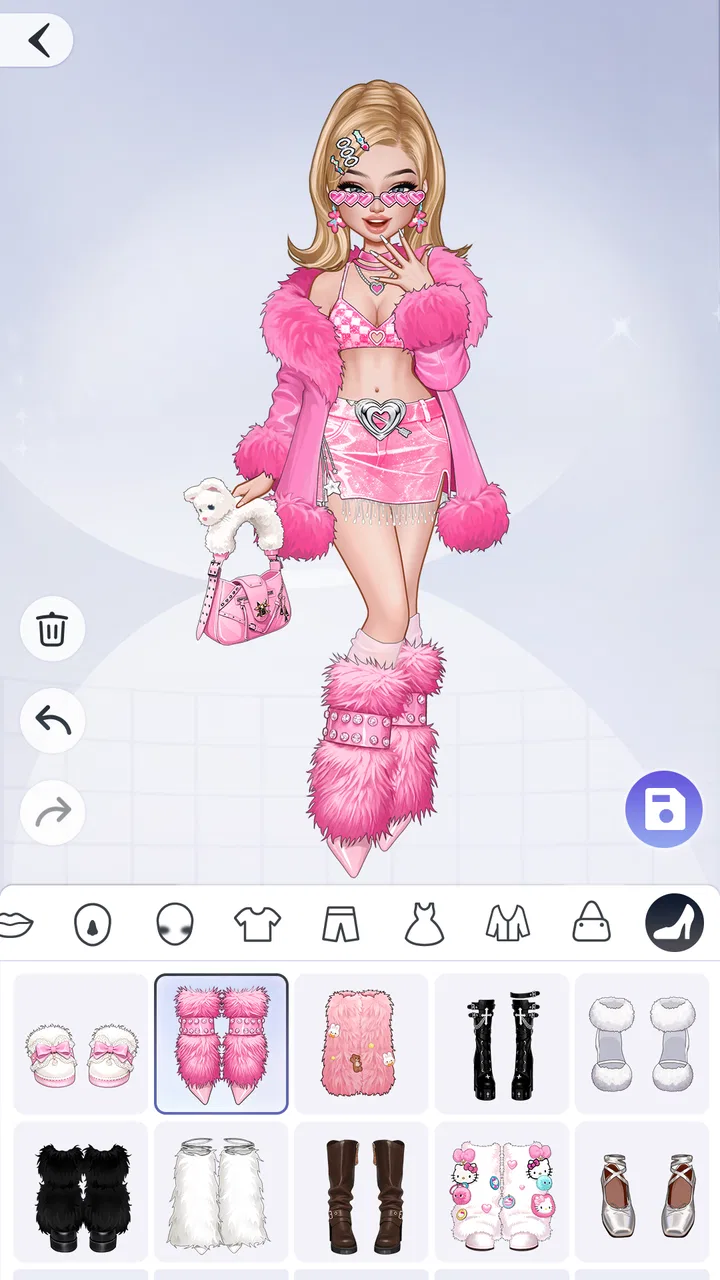
YoYa Sparkle: Style Pop is a casual fashion game from YoYa World that puts avatar styling at the center of the experience. I spent time with it as the kind of game you open for a quick creative break rather than a demanding challenge, and that distinction matters. Its appeal comes from choosing a look, adjusting the visual details, and treating the avatar as a small fashion project. It is free to download, aimed at Everyone, and works on Android devices running version 7.0 or later.
The store presents it as a dress-up game built around styling an avatar, but I found the more useful way to understand it is as a lightweight creative toy. There is no need to approach it like a competitive action game or a deep role-playing adventure. You are here to experiment with appearance, try combinations, and enjoy the satisfaction of turning a simple character into someone with a distinct style. That makes it easy to recommend to younger players and to adults who like relaxing customization, although spending and long-term variety deserve a closer look before you commit.
What the fashion-focused experience feels like
The first thing I noticed is how quickly the game communicates its purpose. The fashion theme is immediate, and the avatar gives you a clear subject to work on instead of asking you to learn complicated rules. I could approach a styling session with a specific idea, such as a bright party outfit, or simply browse until a combination looked right. That low-pressure entry is one of the strongest parts of the design.
You May Also Like

 Blood Strike: 2.5 Anniversary
Blood Strike’s Loadouts Turn Every Drop Into a Tactical Gamble
A close look at Blood Strike’s custom loadouts: how fast access to signature weapons reshapes its battle royale rhythm, rewards preparation, and narrows the gap between fights.

 Pandora - Music & Podcasts
Pandora’s Music Is Easy to Start, but Harder to Recover
Pandora’s strength is its low-effort path from a seed to a station. Its weak spot is how much confidence it asks you to place in connection, setup, and quiet recovery.

 8 Ball Pool
 Is Built on Rivalries, Rematches, and Routine
A close look at the rivalries, rematches, shared routines, and unanswered safety questions that turn a quick pool match into a persistent mobile community.

 Samsung Music
’s Quiet Strength Is Playing What You Already Own
Its reach comes less from spectacle than from dependable access to a personal library. That simplicity is both the app’s strongest retention engine and its ceiling.

 AccuWeather: Weather Radar
AccuWeather Review: A Quick, Clear Forecast for Everyday Decisions
For everyday plans, the best forecast is the one you can understand quickly. AccuWeather makes rain timing, radar, and local conditions easy to act on, with a few trade-offs.

 Hill Climb Racing
Why Hill Climb Racing Still Turns Crashes Into One More Run
A tiny car, a bumpy hill and one more upgrade: Hill Climb Racing keeps resurfacing because its simple chaos makes every near-miss feel personal.
More From Our News Desk



For a casual game, this matters more than it may sound. A lot of dress-up titles make the player feel as if every choice is connected to a score, a timer, or a progression requirement. YoYa Sparkle: Style Pop is more comfortable when I treat it as a personal styling desk. I can make a choice because I like it, not because it is obviously the strongest move. That freedom gives the game a friendlier tone than fashion games that turn every outfit into a competition.
The developer, YoYa World, has positioned the title for a broad audience. Its Everyone age rating supports that accessible presentation, while the casual classification fits the short, approachable sessions. I would hand it to someone who wants something visually focused and easy to understand, especially if they are not interested in learning complex controls. The game’s main idea is simple enough to explain in one sentence: build a look for your avatar and enjoy the result.
That simplicity is also the first trade-off. Players who need a strong story, strategic depth, or a sense of mastery may find the experience light. The pleasure comes from selection and presentation, not from solving difficult problems. I would not choose it as my main game if I wanted a long campaign or a demanding system to study. I would choose it when I want a quiet activity that lets me make visual decisions without much mental overhead.
Why the short-session format works
A realistic use case is a few minutes between other tasks. I can imagine opening it while waiting for an appointment, taking a break from homework, or winding down before bed. The fashion format supports that because a complete idea can begin with one small decision: a color, a theme, or a particular item. I do not need to prepare for a match or remember a complicated objective before starting.
My most useful approach was to give each session a tiny goal. Instead of repeatedly changing everything, I would focus on one element and see whether it changed the personality of the avatar. A different color direction, a more formal look, or a playful combination can make the process feel more deliberate. This turns browsing into a small creative exercise and helps prevent the experience from becoming aimless scrolling.
Another practical tip is to judge an outfit as a whole before chasing individual items. In dress-up games, it is easy to fixate on one attractive piece and then build around it without checking whether the final look feels balanced. I found it more satisfying to decide on the overall mood first, then make the smaller selections support it. That workflow is especially useful for younger players because it encourages visual reasoning without making the game feel educational.
The game is also a reasonable shared activity. A parent and child could choose a theme together and compare two different interpretations, or friends could take turns deciding the next style direction. The important point is that this works because the central activity is understandable immediately. Nobody needs to be an experienced gamer to participate in choosing an avatar look.
Progress, pressure, and the cost of continuing
YoYa Sparkle: Style Pop is free, but it includes optional in-app purchases priced from $0.99 to $49.99 per item. That range is the most important spending detail to understand before a child uses it independently. A free download does not mean every part of the experience carries no cost, so I would set expectations clearly and use the device’s purchase controls where appropriate.
I am cautious about fashion games because the desire for another outfit can be more persuasive than a conventional game reward. A player may not feel pressured by a difficult level, but they can still feel pressure when a preferred style seems just out of reach. In this title, the purchase range means families should discuss what “free” means before play begins. I would avoid presenting the game as an unlimited wardrobe without conditions.
At the lower end, a small purchase may feel like a modest way to personalize the experience. At the upper end, an individual item costing $49.99 is a serious decision, particularly for a casual game aimed at a broad audience. I would never treat that upper price as a routine add-on. If you are reviewing a child’s device or sharing the game with younger players, checking purchase approval settings first is a sensible step.
The practical question is whether the free experience feels complete enough for your habits. I would spend time with the available styling loop before buying anything. If I still enjoy creating outfits using what is already accessible, an optional purchase can remain optional. If the game only feels worthwhile when I am considering paid additions, that is a sign to stop and reassess rather than spending automatically.
There is also a difference between creative motivation and collection pressure. Creative motivation comes from having an idea and trying to express it. Collection pressure comes from feeling that the avatar is incomplete until every appealing option is owned. I recommend staying on the creative side of that line. Set a small personal challenge, such as building several contrasting moods from the items you already have, instead of treating every new purchase as necessary progress.
Is the experience fair compared with other casual fashion games?
Fairness is difficult to judge only from the presence of purchases. The confirmed purchase structure tells me that optional items can cost between $0.99 and $49.99, but it does not establish how frequently the game presents those offers or whether any particular item changes performance. I would therefore evaluate it as a customization game, not assume that purchases create a competitive advantage.
That distinction is important because the usual alternatives in this category can serve different expectations. A purely creative dress-up experience may be better for someone who wants to experiment without thinking about progression. A game with stronger challenges may suit someone who wants outfits connected to goals or rankings. YoYa Sparkle: Style Pop sits closer to the relaxed avatar-styling side, so its fairness is mainly about whether the player feels able to enjoy making looks without being pushed into spending.
For me, the absence of a need to win a battle or defeat another player makes the spending question less about competitive balance and more about access to self-expression. If a paid item only changes appearance, the concern is affordability and pressure rather than a pay-to-win advantage. I would still explain the purchase range clearly to a family, because cosmetic spending can add up even when no competitive system is involved.
A useful test is to play with a fixed rule: no purchase during the first several sessions, and no purchase made immediately after seeing an item. That pause helps reveal whether the game is enjoyable on its own or whether urgency is doing the work. It also gives a child time to decide what kind of styling they actually like instead of reacting to every attractive option.
I would choose a different casual game if my priority were transparent, one-time ownership or a completely offline creative tool with no purchase decisions. I would choose this one if the avatar-focused format feels more important than having a large, guaranteed wardrobe from the start. The right choice depends less on the label “fashion game” and more on how comfortable you are with optional spending around visual customization.
What the audience numbers tell me, and what they do not
The game has passed 5 million installs and holds a 4.5 average from about 19 thousand ratings, with around 920 written reviews. Those figures suggest that it has reached a substantial audience and that the overall reception is positive. I see that as a useful sign of interest, but not as a substitute for deciding whether its particular style suits you.
A large audience can confirm that the basic concept is understandable and appealing to many people. It cannot tell me whether a specific player will enjoy the available fashion choices, how quickly they will want more variety, or how they will react to the purchase options. Ratings are a starting point, not a guarantee that the game will match every expectation.
The current version is 1.31, and the game was released on August 28, 2025. Those details are useful when checking compatibility and identifying the version installed on a device. Since the minimum operating system is Android 7.0, the technical entry requirement is relatively broad for Android users. I would still check the device’s available storage and general performance before installing, especially on an older phone, because smooth visual interaction can affect how pleasant a dress-up game feels.
The title is free to download, which makes trying the central concept straightforward. My advice is to treat the first session as an evaluation rather than an invitation to buy. Look at how natural the styling process feels, whether the avatar gives you enough room to express an idea, and whether you can enjoy browsing without feeling that the best direction is always behind a purchase.
Small workflows that make styling more satisfying
One workflow I recommend is “theme before wardrobe.” Decide whether the avatar should look cheerful, elegant, relaxed, dramatic, or unusual before selecting individual pieces. This prevents the session from becoming a random pile of attractive choices. It also makes the final look easier to judge because every item has a role.
A second workflow is to keep a deliberate contrast between two attempts. Create one look that is restrained and another that is intentionally bold. The comparison makes the styling system feel deeper because you begin noticing how small changes affect the character’s overall identity. This is more rewarding than constantly making tiny adjustments without a clear direction.
A third tip is to use the game as a prompt for conversation rather than as a silent distraction. Ask a younger player why a certain combination fits the theme, or let them set a style challenge for someone else. That makes the activity social and gives the customization a purpose beyond collecting. It is also a good way for adults to notice whether the player is enjoying creativity or simply asking for the next purchase.
For players who like documenting ideas, I would mentally separate “finished looks” from experiments. Not every combination needs to succeed. Trying an awkward pairing can be useful because it clarifies what you prefer. This mindset reduces the pressure to make every session productive and makes the game feel more like a sketchbook than a checklist.
Who should play it, and who should skip it?
I think the best audience is anyone who enjoys avatar customization, color coordination, and relaxed creative play. It is particularly suitable for players who want an accessible casual game with an Everyone age rating and a clear fashion identity. It can also work well as a shared parent-and-child activity, provided the adult handles the conversation around optional purchases.
I would recommend skipping it if you want demanding gameplay, a substantial narrative, or a carefully balanced competitive system. The fashion focus is the point, not a side activity inside a larger adventure. Players who quickly run out of ideas in open-ended styling games may also prefer an alternative with stronger missions or structured objectives.
I would be careful about recommending it to anyone who finds cosmetic stores distracting or who has difficulty setting spending limits. The purchase range is broad enough that this is not a detail to bury after installation. The game can be enjoyable without turning every session into a transaction, but that requires a clear personal or family boundary.
My trust verdict after weighing the fun and friction
My recommendation is positive, with spending boundaries set before play begins. YoYa Sparkle: Style Pop succeeds when I use it as a small creative space: choose a direction, style an avatar, and enjoy the visual result without demanding more depth than the format intends to provide. Its free entry, broad age rating, and approachable casual design make it easy to try.
At the same time, I would not describe it as a completely carefree choice for every household. Optional items range from $0.99 to $49.99, and that is enough to make purchase controls and clear expectations essential. I also would not confuse its strong audience response with proof that every player will find unlimited variety or long-term progression.
My final advice is simple: install it for the styling, not for the promise of constant rewards. Give yourself a few sessions to discover whether the avatar creation itself is satisfying. If it is, you may have a pleasant casual companion for short breaks. If you are waiting for a deeper game to appear underneath the fashion layer, a more structured alternative will probably serve you better.
For the right player, YoYa Sparkle: Style Pop is an inviting fashion sandbox with an easy learning curve and enough personality to make quick sessions worthwhile. I would recommend it to creative players who can treat paid items as optional extras rather than requirements. That balance is what determines whether the game feels like a relaxing styling activity or an expensive search for the next look.
FAQs for YoYa Sparkle: Style Pop
01What is YoYa Sparkle: Style Pop and what are its main features?
YoYa Sparkle: Style Pop is an engaging mobile game that combines fashion styling with addictive puzzle gameplay. Players can explore a vibrant world filled with challenges, where they can dress up characters in the latest trends, solve puzzles, and compete in style battles. The app features a variety of accessories, outfits, and themes that keep the experience fresh and exciting.
02Is YoYa Sparkle: Style Pop free to play, and are there in-app purchases?
YoYa Sparkle: Style Pop is free to download and play, offering a wide range of levels and content at no cost. However, the app includes optional in-app purchases for players who wish to enhance their experience with additional outfits, accessories, and power-ups. These purchases can help players progress more quickly but are not necessary to enjoy the game.
03Can YoYa Sparkle: Style Pop be played offline?
YoYa Sparkle: Style Pop requires an internet connection to access certain features, such as leaderboards and social sharing. However, the core gameplay and most of the levels can be enjoyed offline, making it a great option for players who want to play without being constantly connected to the internet.
04How does YoYa Sparkle: Style Pop ensure user privacy and data security?
YoYa Sparkle: Style Pop prioritizes user privacy and data security by implementing industry-standard encryption and data protection measures. The app collects minimal user data necessary for gameplay and personalizes the experience. Players are encouraged to review the app's privacy policy for detailed information on data handling practices.
05What devices and operating systems are compatible with YoYa Sparkle: Style Pop?
YoYa Sparkle: Style Pop is compatible with both Android and iOS devices. It requires Android version 5.0 or later and iOS version 10.0 or later. Players are advised to ensure their devices meet these requirements for optimal performance and to check for any available updates to enjoy the latest features and improvements.
Pros
- Vibrant and engaging graphics
- User-friendly interface
- Wide variety of customization options
- Regular updates with new content
- Smooth performance on most devices
Cons
- In-app purchases can be pricey
- Some features require internet
- Occasional ads disrupt gameplay
- Limited offline functionality
- Initial loading time can be long

YoYa Sparkle: Style Pop
Gallery